Integrated Smart City Platform for a Danube Border Commune
Slobozia, on the left bank of the Danube in Giurgiu County, put its whole administration on one platform — including qualified electronic signature, an electronic seal and a legally authorised archive.
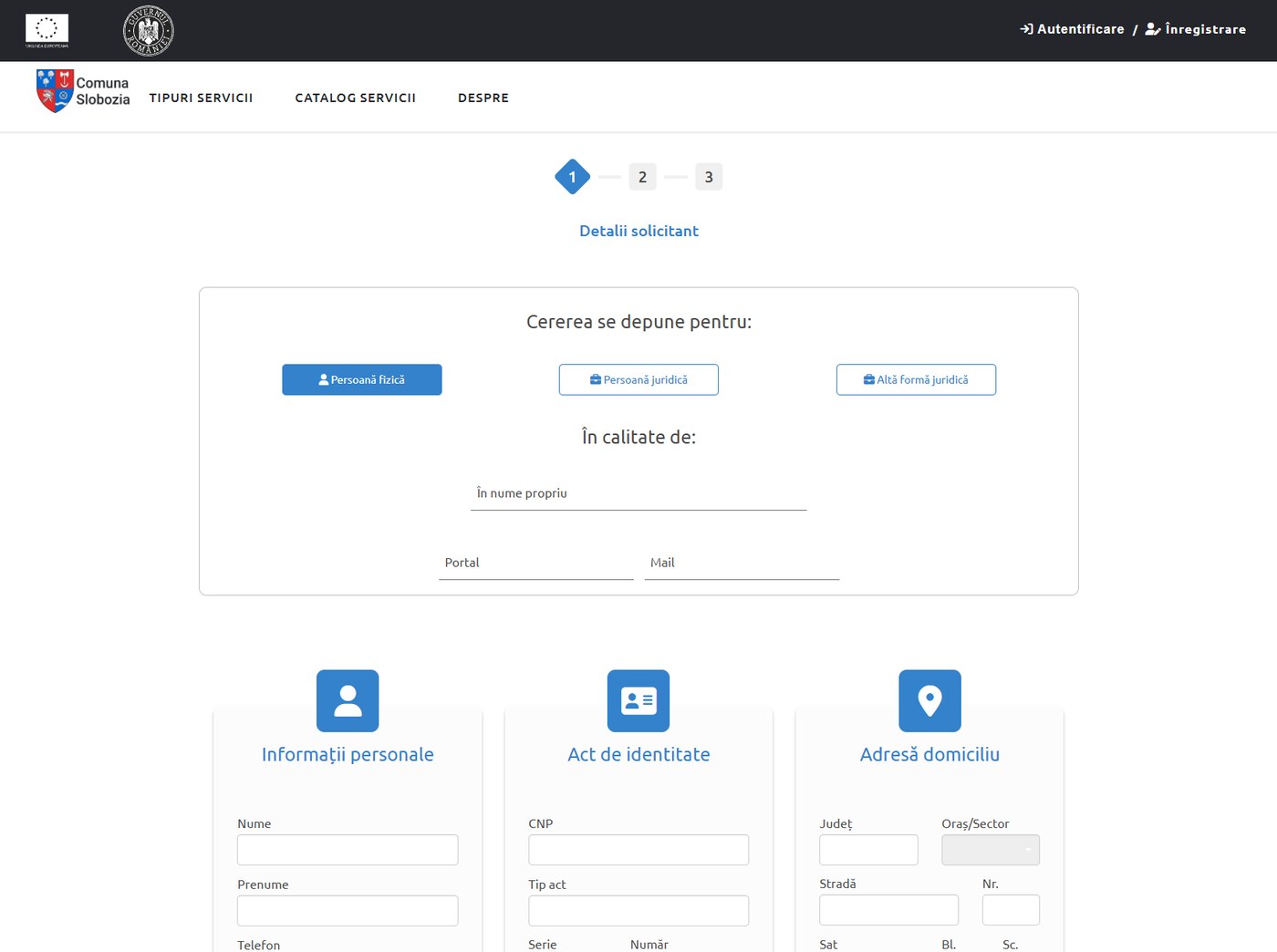
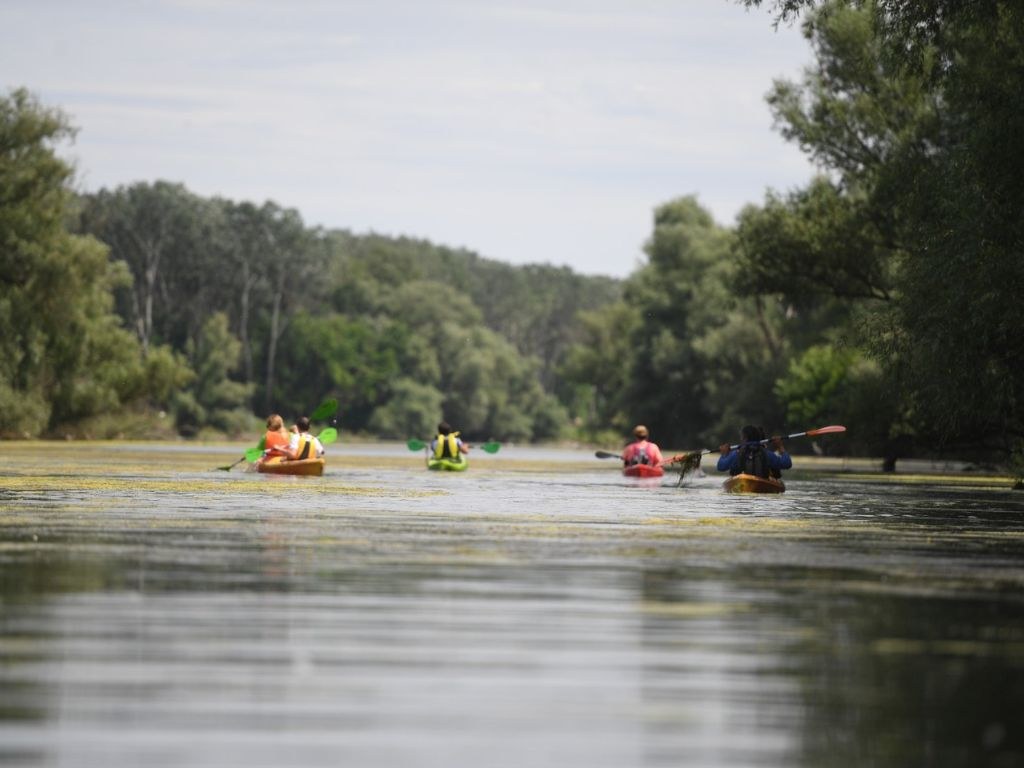
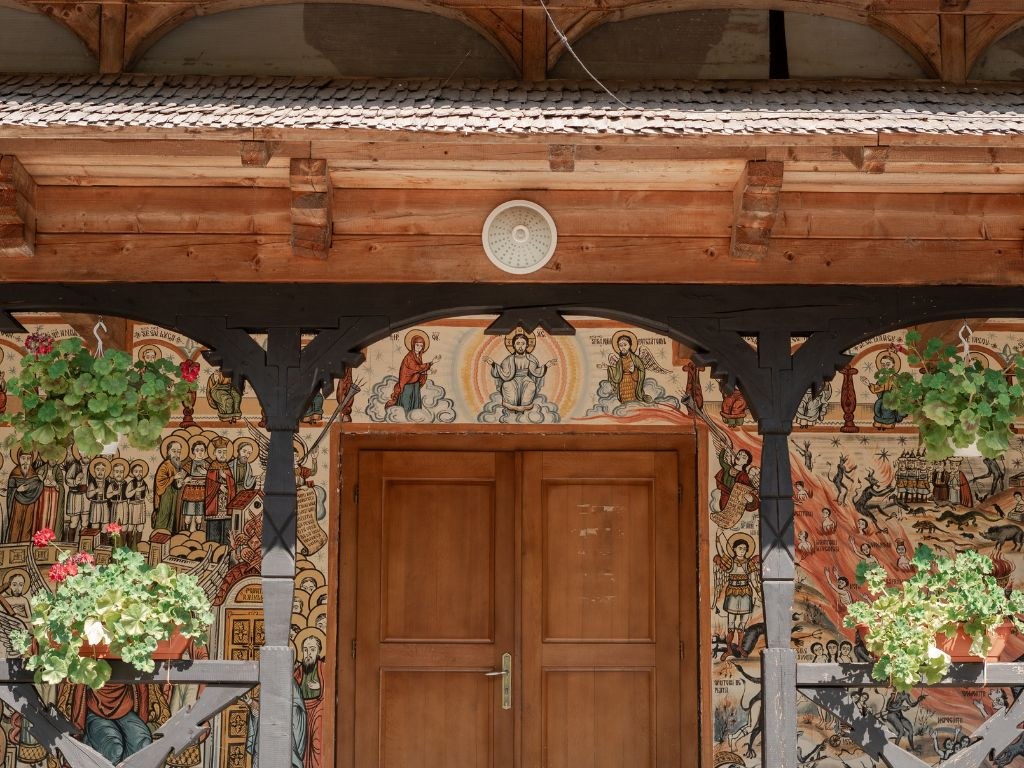
Slobozia sits at the southern edge of Giurgiu County, on the left bank of the Danube facing the Ruse region of Bulgaria. Through the National Recovery and Resilience Plan (Component C10 – Local Fund), the commune ran the project “Digitisation of the services of Slobozia commune”, contracting an integrated Smart City platform together with the equipment and trust services needed to operate it.
Initial Challenges
The commune’s needs analysis described an administration that had to serve a growing number of citizens with manual procedures and no modern infrastructure. Transparency was singled out as a pressing need in its own right: residents had no way to be informed “anywhere, anytime, as quickly as possible and at the lowest possible cost”, and no channel through which to take part in local decisions.
Key pain points included:
- Services delivered only in person, in a commune spread along the Danube frontier
- Internal procedures and working methods that had never been simplified or digitised
- No consolidated view of a citizen’s or company’s file across departments
- No transparent channel for local projects, budgets or council decisions
- No electronic signature, seal or compliant archive, so every document ended on paper
The Smart Solution
Vision delivered a configurable off-the-shelf platform organised as event-driven microservices, comprising an external portal for citizens and businesses, a public presentation website for the commune, an internal back-office portal, an integration and orchestration layer, a unified administration console and a shared database.
Forty-two modules went into production. Citizen services cover urban planning, public domain, civil registry, transport, local taxes, guardianship, social services, hearings, public information, petitions, the agricultural register, commercial authorisations, cadastre, public relations, local police and housing. A separate group handles council business and participatory budgeting; internal services cover registry, human resources, procurement, budgeting, audit, investments, contracts, legal, control body and ticketing; administration modules cover persons, portal accounts, workflows, the archival nomenclature, local tax configuration and the street nomenclature. A “Citizen 360” view pulls everything the administration holds about one person or company into a single screen, and a reasoning-based AI module raises alerts on possible fraud, correlates records and helps plan workload.
What distinguishes Slobozia is that the trust services came with the platform rather than afterwards: a qualified electronic signature in the cloud for fourteen users, a qualified electronic seal issued for the commune hall so that system-generated documents are sealed automatically, hosted email for fourteen users, and a legally authorised electronic archive — all provided for three years alongside hosting and support.
Implementation Insights
Delivery ran to six weeks from signature to final acceptance, with equipment and licences inside the first four.
- Everything configured, nothing coded – workflows, business rules, data models, screens and document templates were built in visual editors, so the commune’s procedures shaped the system directly.
- Trust services treated as part of the platform – signature, seal, archive and email were procured together with the software, which is what allowed documents to stay digital end to end from the first day.
- Security tested before go-live – penetration testing from an attacker’s perspective, hardening of externally exposed equipment and deactivation of unused operating-system services were completed as a distinct acceptance stage, with a test report as deliverable.
Results & Impact
Slobozia now handles the full lifecycle of a document — receipt, routing, approval, signature, sealing and archiving — without printing it.
Quantitative Results:
- 42 modules in production across citizen services, council business, internal operations and administration
- Three access channels — web portal, mobile application and info-kiosk mode with ID-card authentication
- Qualified signature, electronic seal, compliant archive and email delivered for three years alongside the platform
- 14 staff trained, plus a system administrator and an internal trainer, with unlimited perpetual user licensing
Qualitative Results:
- Documents complete their entire lifecycle digitally, from submission to legally compliant archiving
- “Citizen 360” gives staff one screen with everything the commune holds about a resident or company
- Council projects and participatory budgeting are published in the citizen portal
- The commune’s public website and its service portal share one identity and one content system
Lessons Learned & Key Takeaways
The lesson from Slobozia is that a digitisation project is only as paperless as its weakest link. Buying the platform without the qualified signature, the seal and the compliant archive would have left every workflow ending at a printer. Procuring them together — and giving the commune three years of them — is what made the end-to-end digital document a reality rather than a roadmap item.