VISION builds waste management software that connects collection operators, local authorities, call centres, field crews and citizens in one operational platform. It covers collection activity, service requests, field work, customer records and reporting, with configurable workflows and a view of what is happening across the network as it happens.
Most operators already have route planning, weighbridge records, accounting and, in many cases, sensors on containers or vehicles. Each holds part of the picture. Vision 365 for waste collection is where those parts meet and where the chain becomes traceable from the first request through to verified handover, incentives and reporting.
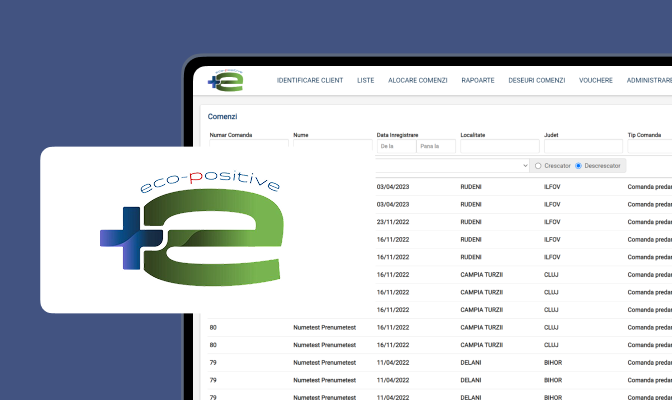
Requests and case management
Citizens, businesses and institutions submit collection requests and enquiries, and each is registered against a customer record with its own history. Call-centre staff see previous requests, complaints and outcomes on the same screen, so a caller ringing back about an earlier pickup is not starting again.
Complaints and enquiries are handled as cases with an owner and a status, which makes it clear what is open, who is dealing with it and how long it has been waiting.
Coordination and scheduling
Requests are routed to local coordinators, who validate the details and assign a crew. Address, waste type, quantity and access conditions are checked before dispatch, which reduces the wasted journeys that come from incomplete information.
Execution and traceability in the field
Crews record what was actually collected: waste categories, quantities and the codes scanned at pickup and at handover. Each step is timestamped and kept, which builds an audit trail linking a citizen request to a specific collection and onward to the point where the material was passed on. That trail turns reporting obligations into a query rather than a data-gathering exercise.
Campaigns, vouchers and producer reporting
Collection campaigns for schools, partner stores and producers are configured in the platform, with vouchers issued, tracked and settled through their whole lifecycle. Producer catalogues are mapped to product categories and tariffs, which supports WEEE and battery reporting against the records the system already holds rather than against a separate spreadsheet.
Sensor data in geographic context
Where containers, vehicles or sites carry sensors, Vision Smart Platform brings the readings in over LoRaWAN or other networks and registers each device as a model instance with its own parameters. Readings become comparable metrics with consistent units across suppliers, shown on dashboards and on an interactive map alongside the assets they belong to.
Thresholds are configuration rather than code. A rule can combine conditions, and when it fires it can send a notification or a command to a device, so a reading turns into work assigned to someone instead of a figure on a screen.
Built around your processes
The platform is built on Vision App Maker. Data structures, forms, business rules and workflows are configured around your organisation: the waste categories and codes you use, the fields a crew fills in on site, the approval steps a case passes through, the tariffs applied and the reports produced for authorities and producers.
Rules are written and edited in a visual editor, so the people who understand the process can follow what the system does. When collection arrangements, contract terms or reporting requirements change, the configuration changes with them.