VISION builds software for companies whose work is carried out on site: maintenance, installation, repairs, inspections and other field operations. The platform coordinates customers, contracts, work orders, technicians, equipment and service activity from a single digital workspace, connecting the office and the field so that each job is planned, executed, recorded and invoiced against the same record.
Accounting, payroll and any ERP already in use stay where they are. What we add is the operating layer between a customer request and the invoice, which in most service companies is still held in spreadsheets, printed job sheets, phone dispatch and the personal knowledge of a few experienced people.
Requests, contracts and work orders
Customers, service contracts and SLAs are held together with the requests raised against them. A service request becomes a work order carrying the site, the asset, the technical instructions, the planned date, the resolution deadline, the required qualifications and the materials expected. Supervisors follow planned, assigned, ongoing, overdue and completed work from one view.
Scheduling and dispatching
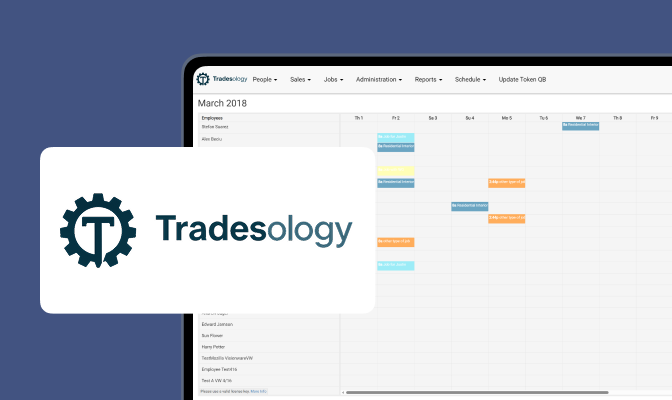
A shared calendar consolidates planned interventions, corrective work and inspections in one schedule. Dispatchers allocate unassigned jobs by technician and day, taking account of availability, location, workload and technical competence, and can prioritise by required response time without disturbing work already planned. Subcontractors are scheduled in the same way as employed technicians.
Work in the field
Technicians use a mobile application to see the jobs assigned to them, check in and out, record hours and activity, add findings, photographs and documents, and register the materials and parts used. Change orders raised on site are recorded against the job rather than agreed verbally. The office sees the update as it is entered.
Equipment and preventive maintenance
Where the service involves equipment, each installation or asset has a single digital record: classification, location, technical specification, operational status, responsible team, warranty, service contract and full intervention history. Recurring maintenance is defined once as a reusable rule, and the platform generates the work orders, deadlines and reminders from it.
Regulated assets need periodic inspections and authorisations. Their expiry dates, responsible authority and certificates are held on the asset record, with renewal activities and notifications raised before an authorisation runs out.
People, time and job cost
Employee and subcontractor administration, recruitment and onboarding, training, absences and performance sit alongside the operational data, so the people on the schedule are the people on the payroll record. Time cards and activity reporting feed both approval workflows and job costing, giving hours, materials, subcontractor charges and equipment against each job. Invoicing and reporting run on those figures, and dashboards show real job profitability rather than an estimate made at quotation.
Built around your processes
The platform is configured on Vision App Maker. Data structures, forms, business rules and workflows are defined around your organisation: the fields you keep on a job, an asset or a technician, the screens crews use on a phone, the rules that decide escalations, notifications and approvals, and the route a request takes from first call to invoice.
When your processes change, the configuration changes with them. A new job type, an additional checklist on site, a different approval chain or a new integration is built in the visual designers.